The History of Cheese: From Ancient Herding to Modern Pizza
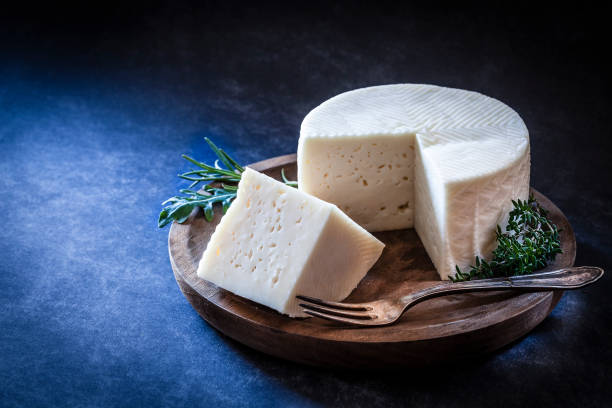
Cheese has traveled a long journey from an accidental discovery in ancient livestock cultures to becoming the heart of modern pizza. Understanding this evolution explains why formulation and performance matter so much today.
Cheese is one of the oldest foods created by humans, likely discovered by chance rather than design. When early humans stored milk in containers made from animal skins, natural enzymes caused the milk to coagulate, creating a nutritious, portable, and longer-lasting food: cheese.
Archaeological evidence shows that cheese production dates back at least 7,000 years. Civilizations such as Sumer, Egypt, Ancient Greece, and Rome developed various methods for producing and preserving cheese, gradually embedding it into their culinary cultures.
With advancements in dairy science—particularly in Italy—softer, better-melting cheeses emerged. Mozzarella became a turning point, especially as pizza developed in Naples. Its mild flavor, even melt, and natural stretch helped transform pizza into a global food.
Today, pizza cheese goes beyond traditional mozzarella. Modern formulations are engineered to provide controlled melt, consistent stretch, and balanced flavor, ensuring reliable performance at high baking temperatures.
At Jolfa Foods, cheese is not merely an industrial product but the continuation of a centuries-old tradition—refined through modern quality control and precise formulation.